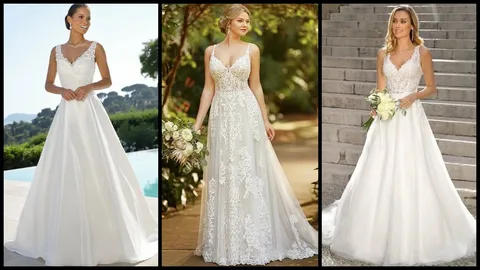
The bridal industry has long been associated with grandeur, excess, and visual perfection. For decades, wedding fashion was built around aspiration alone—heavy embellishments, dramatic silhouettes, and garments designed more for spectacle than for personal meaning. But over the last few years, something significant has changed. Brides are no longer selecting outfits purely because they fit a trend cycle or resemble celebrity wedding inspiration boards. They are asking deeper questions about craftsmanship, sourcing, comfort, individuality, and long-term value.
This shift is exactly why conversations around ethical bridal wear have become increasingly relevant in contemporary fashion. Today’s bride is informed, design-conscious, and emotionally connected to what she wears. She wants garments that reflect her identity, support artisan craftsmanship, and feel intentional rather than mass-produced. In many ways, bridal fashion is finally moving away from performative luxury and returning to what made it meaningful in the first place: storytelling, heritage, and human connection.
The change is visible not only on runways but also inside ateliers, bridal consultations, and custom fittings. Designers are noticing that clients are asking about fabrics before embellishments, wearability before trendiness, and longevity before social media impact. Brides are thinking beyond one wedding photograph. They are considering how a garment feels, how it was made, and whether it genuinely represents them.
Why Agaati Reflects the Future of Conscious Bridal Fashion
One of the clearest signs of this transition is the growing appreciation for labels that prioritise craftsmanship over mass replication. Brides are increasingly drawn toward fashion houses that understand construction, textile quality, and personal expression rather than simply producing visually loud garments for viral attention.
This is where Agaati stands apart within the modern bridal space. The brand reflects a deeper understanding of how contemporary women actually want to dress. Instead of treating bridalwear as costume, the focus shifts toward elevated silhouettes, refined detailing, luxurious fabrics, and timeless elegance that feels personal rather than theatrical.
Real bridal consultations often reveal something the internet rarely talks about: many women are exhausted by overcomplicated bridal styling. They are overwhelmed by excessive layers, restrictive cuts, synthetic embroidery, and garments that photograph well but feel uncomfortable in reality. Designers working closely with brides consistently observe that the most memorable outfits are rarely the loudest. They are the ones that move beautifully, fit naturally, and create confidence without effort.
That insight cannot be manufactured through trend reports or AI-generated fashion summaries. It comes directly from years of interacting with real clients, understanding body movement, fabric drape, climate considerations, and emotional styling preferences. This type of expertise is precisely what modern search algorithms increasingly reward because it delivers authentic value instead of recycled commentary.
The Rise of Experience-Led Fashion Content
For years, fashion content online followed a predictable structure. Most articles repeated the same styling formulas, colour predictions, celebrity references, and shopping lists. The result was an internet saturated with interchangeable advice. But today, both readers and search engines are becoming better at identifying whether content is rooted in actual experience or simply assembled from existing material.
In bridal fashion especially, generic advice no longer resonates. Brides want specifics. They want to know which fabrics hold structure during long ceremonies, which silhouettes work best for destination weddings, how embroidery impacts garment weight, or why certain cuts photograph differently under natural light versus indoor lighting.
These insights only emerge from hands-on industry experience.
A stylist who has dressed hundreds of brides understands practical realities that surface-level content never addresses. For example, heavily embellished garments may appear luxurious online but can become physically exhausting during extended events. Certain imported fabrics may look rich initially but struggle in humid climates. Even colour tones behave differently depending on venue lighting and skin undertones.
Why Fabric Knowledge Matters More Than Ever
One of the most overlooked elements in bridal fashion discussions is textile understanding. Yet within premium fashion circles, fabric selection is often considered more important than embellishment itself.
Experienced designers know that the foundation of a garment determines how it moves, photographs, and lasts over time. Brides are becoming increasingly aware of this distinction. Rather than selecting outfits solely based on embroidery density or visual drama, many are prioritising breathable textiles, refined craftsmanship, and comfort-driven tailoring.
For instance, pure silks respond differently to body temperature compared to synthetic blends. Organza creates structure and architectural volume, while softer weaves produce fluid movement suitable for intimate ceremonies. Handwoven textiles carry natural irregularities that add character and authenticity—qualities impossible to replicate through factory production.
Fashion professionals working closely with bridal clients often note that fabric touch is one of the biggest decision-making triggers during fittings. Brides may arrive focused on visual references but frequently change preferences after physically experiencing how certain textiles feel against the skin.
This is precisely why experienced-led fashion guidance holds more value than generalised style articles. Real expertise considers wearability, environment, emotional comfort, and garment longevity simultaneously.
Modern Bridalwear Is Becoming More Personal
Another major shift shaping bridal fashion is the rejection of uniformity. Brides no longer want to resemble every trending wedding aesthetic circulating online. Instead, they want individuality.
This has created increased demand for customised silhouettes, softer colour palettes, modular styling, and versatile pieces that extend beyond a single event. Designers are observing greater interest in garments that can later be re-styled for receptions, anniversaries, or formal occasions rather than archived permanently after one use.
Minimal embroidery with stronger tailoring is becoming more appreciated. Handcrafted detailing is valued more than excessive ornamentation. Even bridal colour stories are evolving beyond traditional reds and heavily metallic palettes toward muted ivories, champagne golds, dusty roses, and earthy neutrals.
Importantly, these choices are not driven purely by trends. They reflect broader cultural changes around identity, intentional consumption, and emotional connection to clothing.
When brides choose garments aligned with personal comfort and authenticity rather than social expectations, the result feels far more timeless.
The Problem With Mass-Produced Bridal Trends
One issue becoming increasingly visible within bridal fashion is oversaturation. Social media accelerates trends at an unsustainable pace. A silhouette can become globally overused within months, making once-special aesthetics feel repetitive almost instantly.
Mass production worsens this issue further. Many designs seen online are quickly replicated at scale with lower-quality materials and compromised construction. While visually similar in photographs, these garments often lack the refinement, fit, and longevity of thoughtfully produced pieces.
Experienced designers and bridal consultants can usually identify these differences immediately. Construction quality affects everything from posture support to garment balance. Poor finishing becomes more obvious during movement. Synthetic fabrics may trap heat under photography lighting. Even embroidery placement impacts how a silhouette photographs from different angles.
These are not observations copied from trend reports. They come from direct experience working within fashion production environments and dressing real people under real event conditions.
This is why the future of bridal fashion belongs to brands and creators who contribute original perspective rather than recycled inspiration.
Why Authenticity Is Becoming the New Luxury
Luxury itself is being redefined. Brides today are less impressed by visible excess alone. Instead, authenticity, craftsmanship, exclusivity, and emotional resonance are becoming stronger indicators of value.
A thoughtfully tailored garment created with intention often feels more luxurious than heavily embellished fashion produced without individuality. Hand-finished detailing, artisan involvement, premium textile sourcing, and personalised consultation processes create experiences that mass manufacturing cannot replicate.
This growing appreciation for authenticity extends into content consumption as well. Readers increasingly trust fashion insights grounded in lived expertise rather than generic optimisation strategies.
Search engines are evolving similarly. They are prioritising original analysis, real-world insight, and authoritative commentary because users themselves value these qualities more. Content created purely for ranking without meaningful contribution is becoming easier to identify—and easier to ignore.
For fashion brands, this means the future is not about producing more content. It is about producing better content rooted in actual experience and distinct perspective.
Why Timeless Craftsmanship Matters More Than Viral Trends
Bridal fashion is entering a more intelligent era. Brides are asking sharper questions. They are researching more deeply. They are prioritising emotional alignment over trend pressure. And they are gravitating toward brands that demonstrate genuine understanding of craftsmanship, wearability, and modern femininity.
The era of surface-level bridal inspiration is slowly fading. What replaces it is more meaningful: design with intention, storytelling with substance, and fashion grounded in expertise rather than replication.
Ultimately, the most memorable bridal looks are rarely the ones chasing visibility. They are the ones that feel deeply personal, beautifully constructed, and emotionally authentic. That is the difference between fashion that simply exists online and fashion that genuinely stays with people long after the wedding day ends.